

Teach "Objective" and "Subjective" with Optical Illusions
Teach the difference between objective and subjective in 10 minutes with the included powerpoint.

Welcome to the Plug & Play section of Desk Notes! Every week you’ll receive an ELA/creative writing activity that I’ve had success with in my classroom.
To learn about my pedagogical design, check out Field Reports.
TLDR: Having students look through optical illusions gives them an extreme example that an objective fact/reality can be perceived in subjective ways.
What’s better than having students memorize definitions verbatim? Giving them an experience that engrains understanding into their mind.
Optical illusions are a great way to show that objective phenomena can be transmitted and received in various, subjective ways. (I mean, was that dress from 2015 really white and gold or was it black and blue?)
In this class activity, students go through optical illusions and write down what they are seeing. They then tie this to the words objective and subjective.

The Plan
Overview:
Get things prepped.
Go through the presentation.
Connect their new understanding to the terminology.
Ideas for extending the activity.
Get Things Prepped
To prepare, you only need to decide if you want to go through the slideshow as a full class or if you want to have each student go through it on their own.
Go Through the Presentation
Here is a link to the slideshow. The slide show has the instructions for students to follow along to.
These are some examples of the optical illusions:
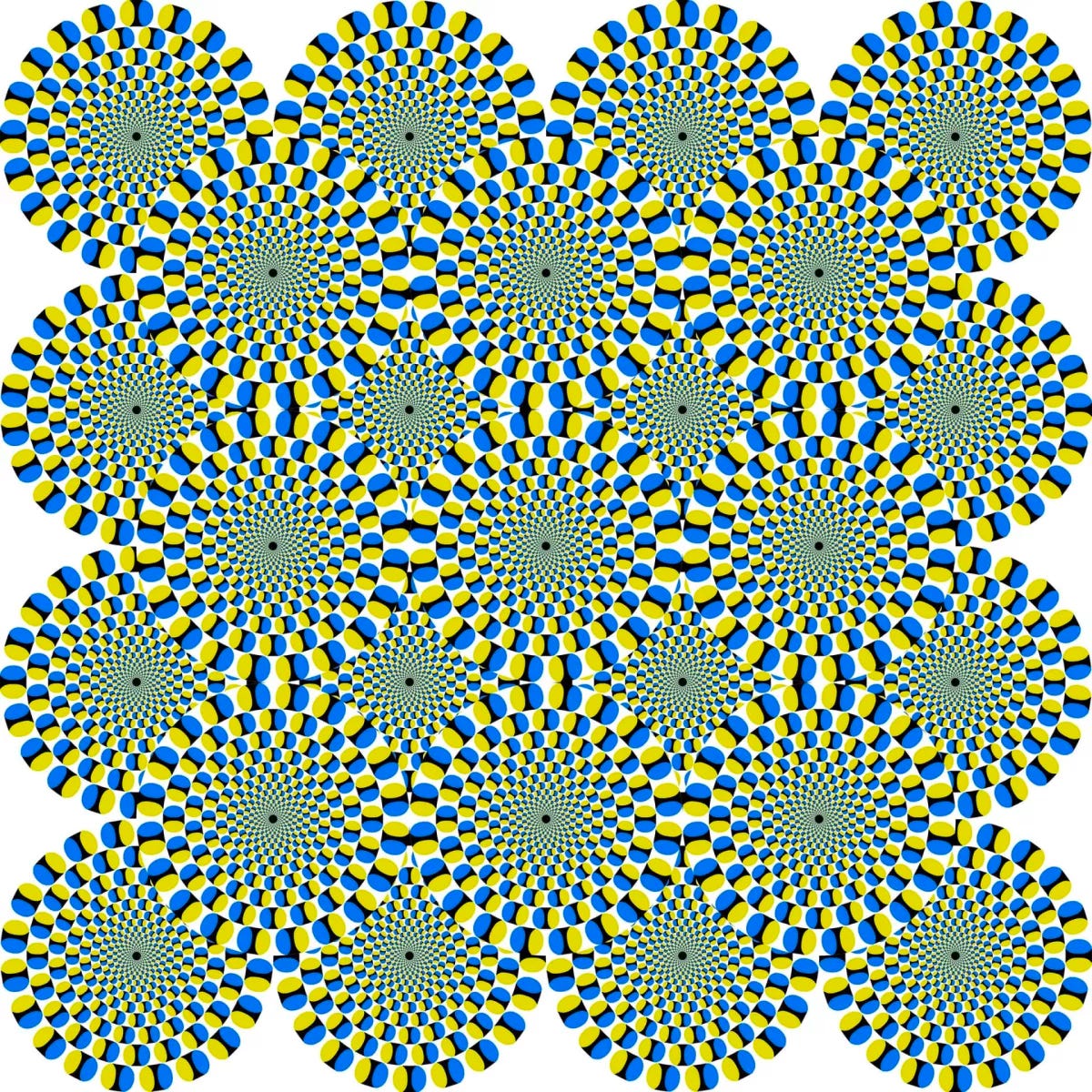
Spinning Discs.
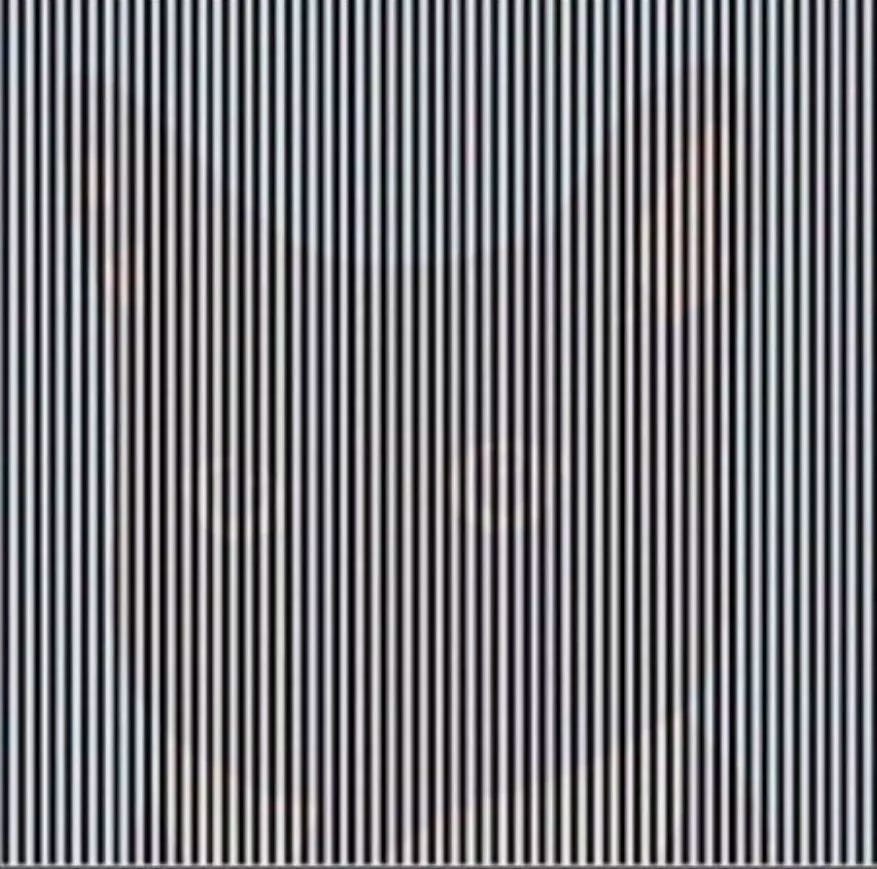
Shake your head to see a picture
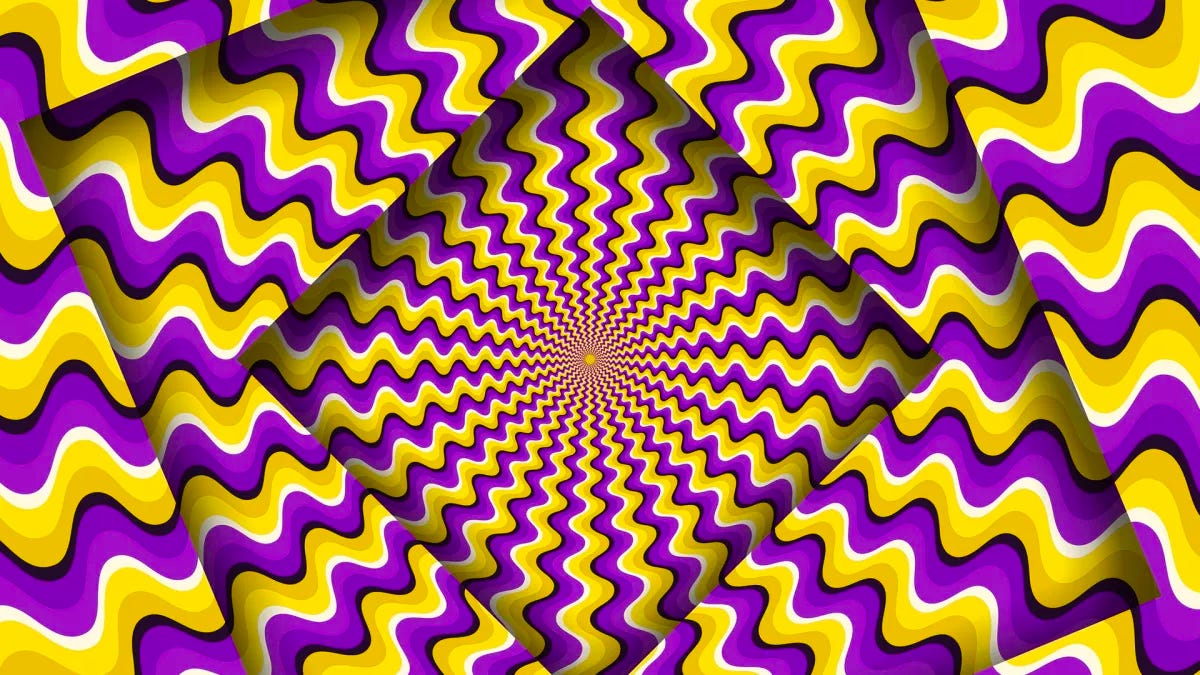
Moving squiggles that aren’t moving.
3D printed shapes that hurt my mind.
Connect to Terminology
The key in this exercise is explained on the second-to-last slide. Students, after viewing the optical illusions, must look up the difference between “objective” and “subjective.” Once they’ve done this, they write out an explanation identifying how the optical illusions activity they just did has elements of objectivity and subjectivity. By specifically pinpointing where these things occur in the activity, it helps tie their experienced understanding to explicit vocabulary.
While the purple and yellow squiggles objectively aren’t moving, they seem to be. The subjective experience is that they move.
Ideas for Extending the Activity
Have students make or find their own optical illusions.
Compare news reports on the same event and have students work together to rank them from most objective and most subjective.
One of my state’s standards is that students will be able to provide objective summaries. Have students summarize an event or short story individually. They then exchange summaries with a partner and explain how that person could make the summary more objective.

Thank you for reading! I’d love to hear from you if you use this activity or any adaptations of it in your class! If you find something that makes it better, let us know in the comments.
Cheers,
Brandon Merrill